

Bulk Delete Keys in `Cloudflare KV`
Bulk Delete Keys in Cloudflare KV
Get the List of keys
Run this first
|
|
This gives you the complete list of keys; if you need a condition, just add: --prefix="prefix"
Bulk Delete
|
|
Cloudflare KVkeysRun this first
|
|
This gives you the complete list of keys; if you need a condition, just add: --prefix="prefix"
|
|

Recently I developed a project using remix. I hadn’t done full-stack development before; I’d used reactjs a bit but wasn’t very familiar with it, and I was using Nextjs, which felt very hard to use — mainly because after version 13 switched to the app router, I was somewhat at a loss.
Later I discovered remix, which uses filename-based routing directly and is much more convenient, and the loader and action approach is also very intuitive, so I chose remix.
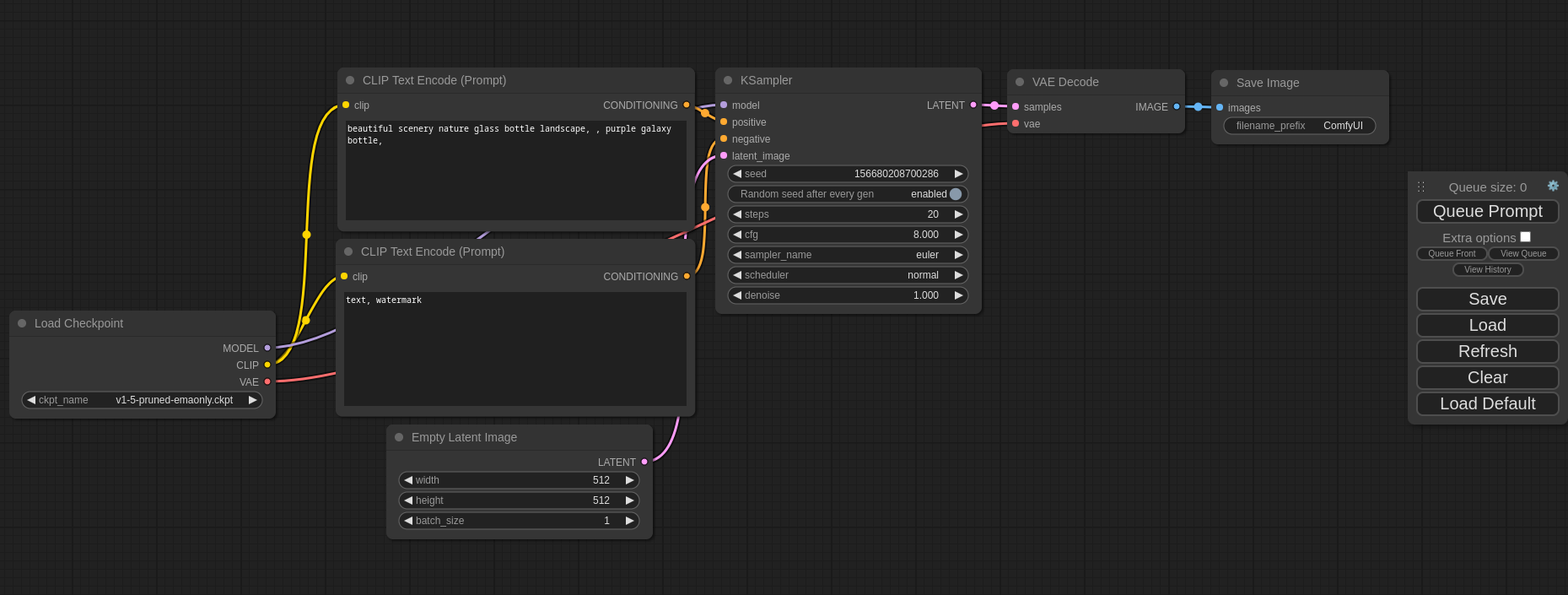
AIGC was very popular a while back, so I deployed Stable Diffusion’s WebUI locally and played with it for a bit. See: text
But the WebUI interface is too complex and has too many elements. It looks very professional, but it’s also somewhat difficult to use. I happened to be busy with work around that time, so after playing with it for a while I set it aside and didn’t continue.
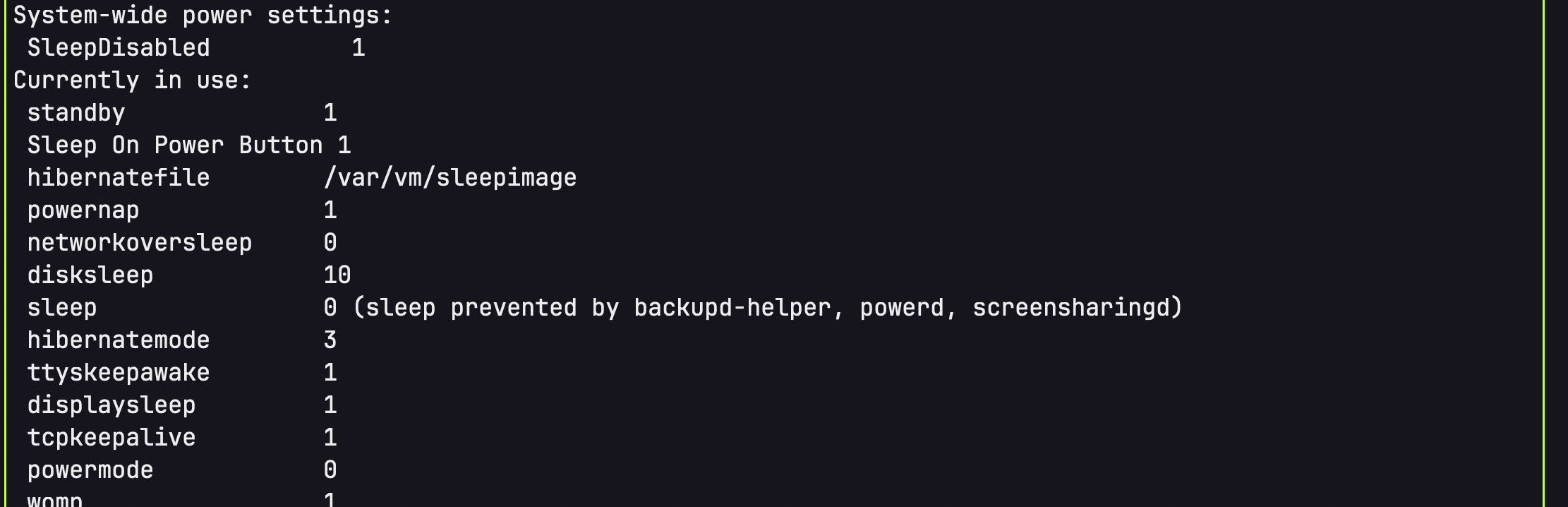
The migration is complete and I’ve been using it for a while. The Snail Interstellar’s power consumption is very low (compared with the R720’s 100+ watts); with 3 HDDs and 1 SSD it draws 35 watts, less than 1 kWh a day—very nice.
But there’s currently a problem: on the MacbookPro, as soon as I close the lid, lock the screen, or close the remote desktop, the wired network adapter on the Thunderbolt HUB disconnects.

At home, an r2s serves as the bypass router using sing-box in tun mode. I had always used a cn2 gia line, and every night I’d watch videos on youtube on my apple tv before going to sleep, with no problems. This month the server’s traffic ran out, so I switched to hysteria2 on an ordinary line. It was fine all day, but come evening youtube was completely unwatchable. I figured udp packet loss was probably severe in the evening, so I didn’t bother with it.

A few years ago I got into HomeLab and bought a second-hand Dell R720 rack server to use as a home server. But this server’s power consumption was too high—dual cpus idled at nearly 200w. After switching to low-power Xeons and installing only one cpu, it was still 100w+. Over a year the electricity bill added up, and in summer it got very hot. Later I used the ipmi tool and wrote some code in python to adjust the loud fans based on temperature, which made it much more comfortable, but in summer as the room temperature rose the fans still ramped up their speed dramatically. I always wanted to switch to a low-power server. I’d previously bought a Snail Interstellar, which uses a j1900 and has very low power consumption, so I migrated the home server from the Dell R720 to the Snail Interstellar.